

About Me
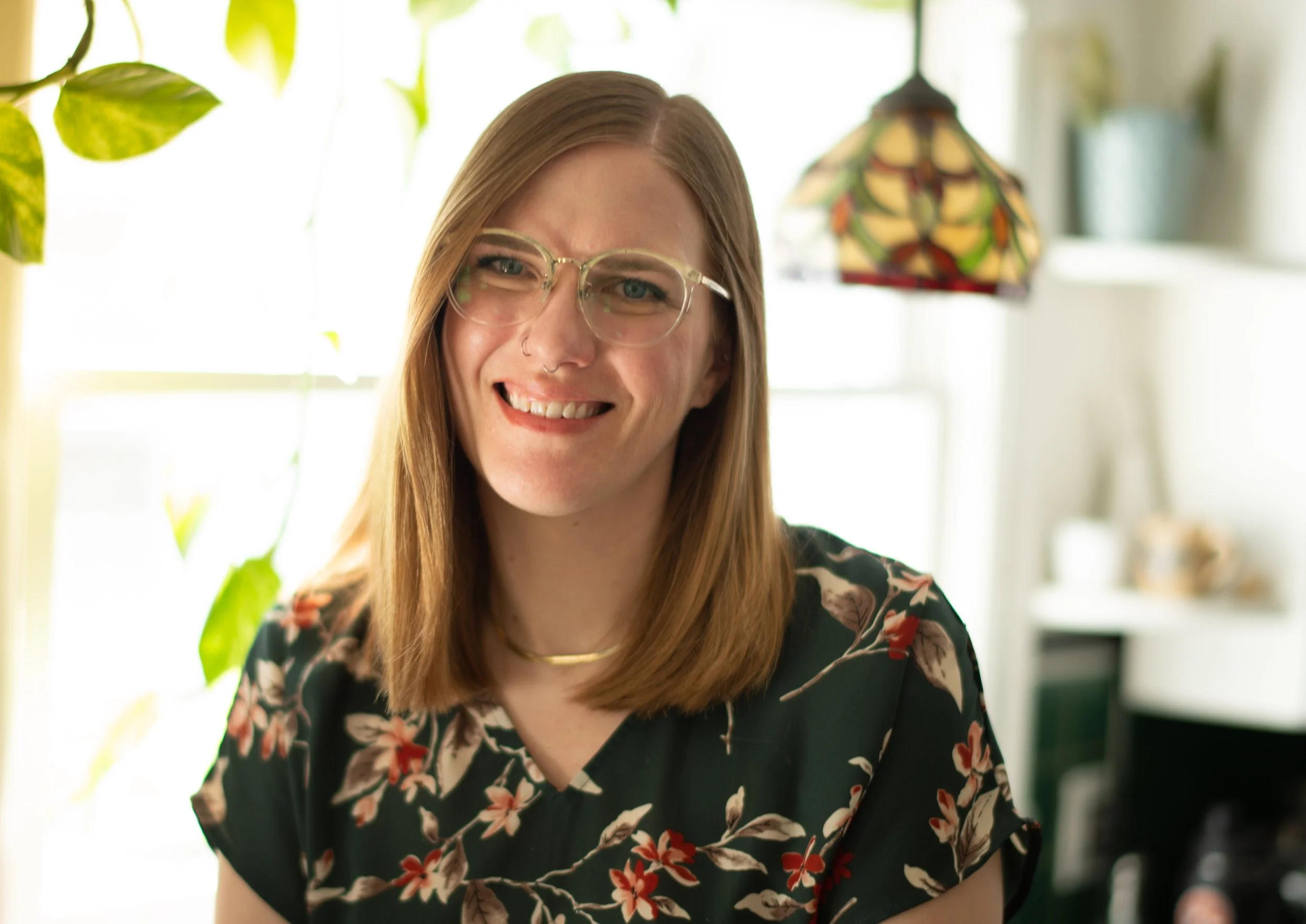
I’m Kristin!
I work with adult individuals whose journey of self-discovery has brought them to a place where they’re starting to understand themselves, but they still walk through the world feeling like an alien.
If that sounds like you, chances are you know the pain of feeling like you’re somehow too much and never enough at the same time. Exile is such a lonely place to be. I love helping my clients welcome home all their exiled parts, equipping them to live integrated, authentic lives.
Your exile might look like:
Confusion about why you’re so good at some things, but you still struggle with other things in a way other people don’t seem to
Coming to grips with new neurodivergent identities like ADHD, Autism, OCD, Giftedness/2e
Working through crisis of faith and/or faith deconstruction
Reclaiming your nervous system after suffering with PTSD or C-PTSD
Saying goodbye to relentless people-pleasing and the anxiety that accompanies it
Reconnecting with and embodying desire
I work best with clients who:
Appreciate the invitation to be curious about their experiences
Want to build a positive relationship with all their emotions (even the not-so-fun ones)
Have complex thoughts that always seem to interconnect with each other
Have had a hard time feeling like past therapists have really understood them
The belonging you’re looking for can be found when you come home to yourself. Together, let’s create the roadmap that helps you get there.
Background and Training
My MA is in Counseling Psychology with an emphasis in Trauma and Abuse from The Seattle School of Theology and Psychology. I am trained psychodynamically and enjoy bringing depth and attachment theories to my work, along with parts work and somatic practices. I have completed Level II training in Narrative Focused Trauma Care with The Allender Center and am also trained in EMDR. My work considers how systems impact lives just as much as a person’s personal experiences. I am part of the leadership team of PNW Neurodiversity Network. I am a Licensed Mental Health Counselor (LMHC) and my license number is LH61686605.
What to expect
Clients who work with me commit to meet on the same day and same time every week. I suggest that new clients make a commitment of meeting together weekly for at least six months, although many of my clients enjoy the opportunity to keep meeting weekly for the duration of our time together. A weekly cadence helps us build a strong therapeutic relationship, which is a helpful foundation in trauma and depth-oriented therapeutic work.
My therapeutic style
I love to facilitate curious exploration with my clients, which means my sessions are often engaging and conversational. I have a direct style of communication and rarely hesitate to “go there” if needed. I will encourage you to invite your body (not just your mind) into the session. A lot of people aren’t used to or comfortable connecting with their bodies. I like to think of the body as a place that brings in a lot of fantastic data, and learning the language your body speaks is an important step in learning how to come home to yourself.
Accommodations
As a neurodivergent-affirming therapist, I take accommodations seriously! I have a variety of fidget/stim tools in my office that you are welcome to use (you can also bring your own). I am happy to adjust the office space to be more comfortable for your sensory needs by adjusting the lighting, room temperature, and seating options. I welcome all forms of communication including written if spoken words feel too difficult to access at times. This is not an exhaustive list of accommodations. I’m happy to have a conversation about which accommodations might facilitate the best therapeutic environment for you. Unfortunately, my current office is located in a building that is not ADA-accessible. If using stairs poses a challenge to you, I’m happy to meet with you via telehalth.
“...exile is an important and necessary separation from the group or society, meant to bring us into relationship with our resilience and originality.”